




Lloydminster councillors reviewed a $7 million operating surplus Monday, but one councillor raised a pointed question about how it happened.
Coun. Justin Vance asked administration whether the surplus could partly reflect higher taxation.
“From my understanding Ryan it wasn’t as much as over taxation from that year, it was more so savings on capital projects… or was it a little bit of both?” Vance asked.




Administration did not directly address the taxation question, instead explaining the surplus as the result of several financial factors.
“So for the operating side… the operating side is a mix,” administration said.
“Part of it is that a lot of items came in under budget, lower salaries and wages, sometimes we got higher user fees so it’s a real mix that came up with that seven million dollars.”
Earlier in the presentation, administration outlined how operating surpluses can occur when revenues exceed expenses during the fiscal year.
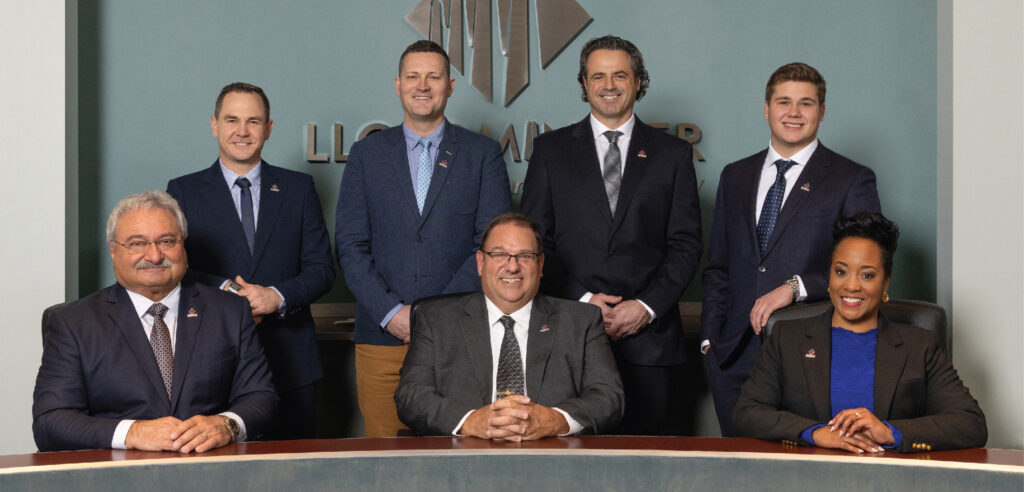
“Operating surpluses could arise due to higher revenues, lower expenses or a combination of both,” the report states.
The $7 million figure represents the city’s operating surplus for the year ending Dec. 31, 2025. Council was asked to approve transferring those funds into a series of reserve accounts as outlined in the administration report.
According to the report presented to council, the surplus is calculated as part of the city’s annual financial audit process. Each year administration determines whether revenues exceeded expenses and then recommends how any surplus should be allocated.
In this case, administration recommended transferring the funds into several operating and capital reserves to address future Lloydminster needs.
Proposed allocations included funds for protective services, leisure services, resiliency and general government reserves.
One of the largest recommended transfers was $1.35 million into the leisure services reserve, along with $350,000 for protective services.
Additional funds were also directed toward capital reserves supporting infrastructure projects, road work, parks services, stormwater systems and equipment replacement.
Administration also noted that some of the surplus was linked to timing differences in major projects, including financing related to the Synovus Energy Hub.
Because the city delayed drawing debt for the project while interest rates were falling, payments originally budgeted for 2025 were temporarily avoided, creating part of the surplus in that year’s operating results.
Administration said some departments also finished the year under budget due to staffing vacancies and wage savings.
At the same time, certain user fees generated more revenue than originally projected.
Taken together, administration for the City of Lloydminster said those factors combined to produce the final operating surplus reported to council.
The conversation highlighted the challenge municipalities face when forecasting annual budgets.
City departments must estimate spending and revenue months in advance when council sets the budget and property tax rate.
Changes during the year, including staffing levels, project costs and service demand, can lead to differences between projected and actual results.
While operating surpluses can reflect careful financial management, they can also prompt questions about whether tax levels were set appropriately during the budget process.
Vance’s question brought that issue directly into the council discussion.
Administration maintained the final result reflected several financial variables rather than a single cause.
Council ultimately approved the allocation of the operating surplus into reserve accounts as recommended in the report.
Read more: Olive Tree says housing, transportation demand still growing in Lloydminster