



This is the weekly column by owner/founder/editor Dan Gray.
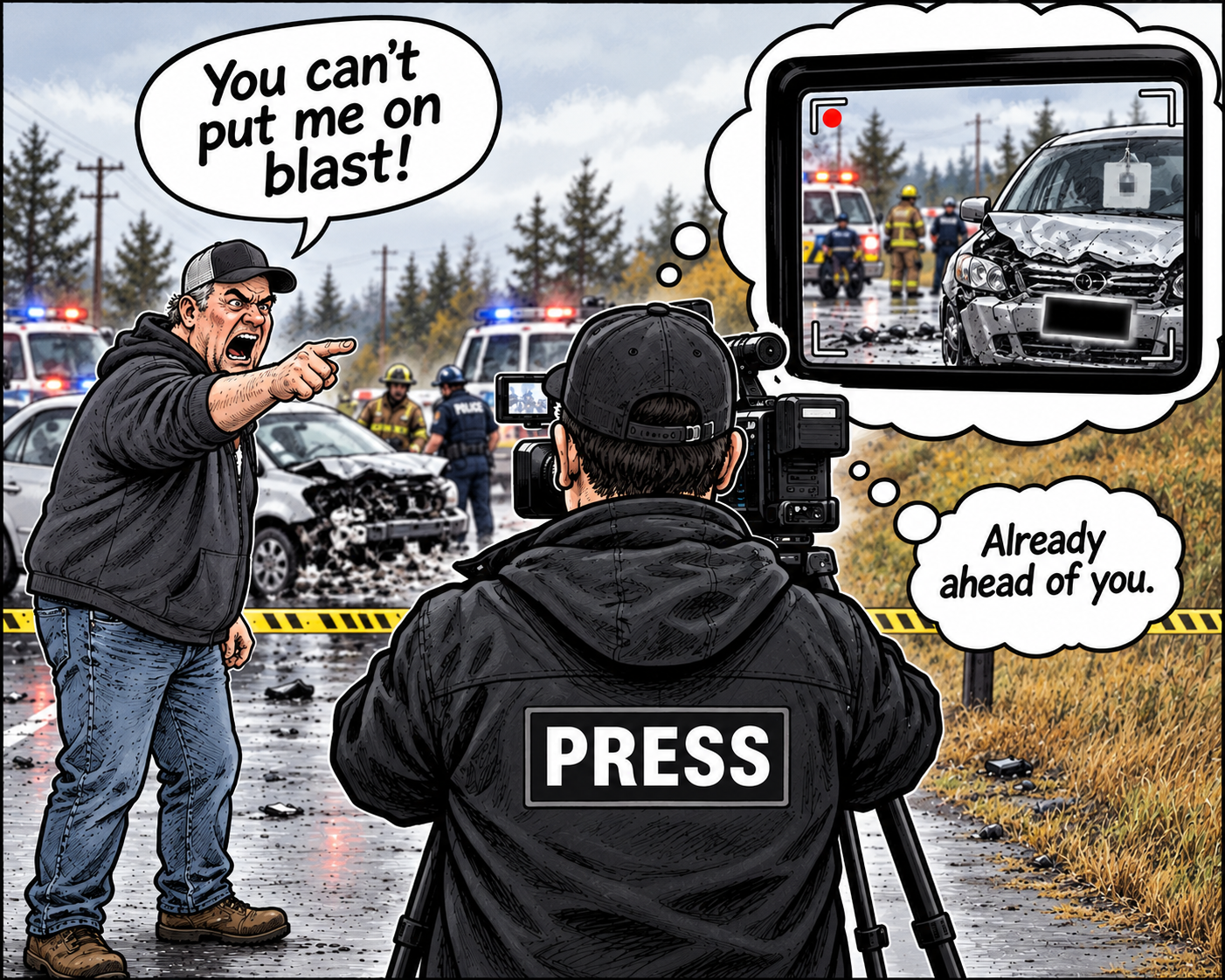
“You can’t write about this. I’m not letting you put me on blast.”
I’ve heard some version of that sentence more times than I can count in nearly 15 years of journalism. It comes up most often around the stories readers actually care about: police investigations, collisions, fires and wrongdoing of every kind.
The hardest moments are breaking news. I show up knowing I’m often walking into someone’s worst day.




So let’s clear up one of the biggest misunderstandings I run into. You cannot stop a properly obtained photo or video from being published.
If someone, especially a trained journalist, takes a photo from public property, that image can be used. That includes your house on fire, if it can be seen from a public street. It includes a collision on a public road, or one visible from public land. It even includes a photo you posted yourself, on a public social media thread.
Can and should are two different questions.
Plenty of outlets post whatever they capture with little thought for the person on the other side of the lens. I’m not one of them.
Unless someone is being arrested or detained, I deliberately make identification harder. I blur licence plates. I blur faces. Sometimes I blur a decal on a truck door, or something as small as an item hanging from a rear-view mirror.
That’s a choice, not a legal requirement.
After every time.
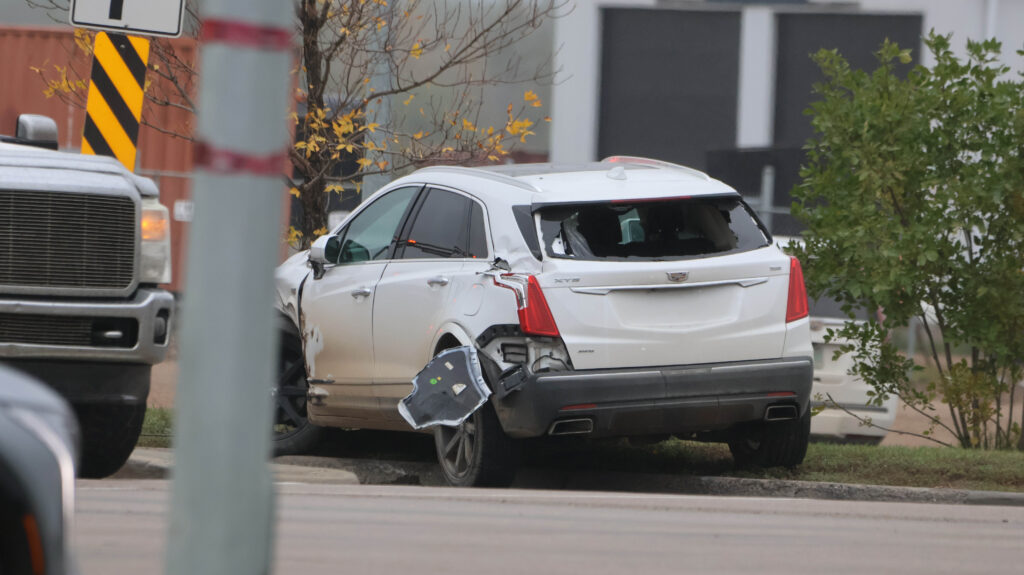
Another possibility, if your name appears in a police report and charges follow, that gets reported. It’s a true, on-the-record fact at that moment.
If you’re later found not guilty, and I can verify that outcome, I’ll retract your name from the original story. I’ll consider a follow-up too.
There’s no law forcing my hand here. It’s a standard I hold myself to, and one you can ask for.
None of this changes what happened. A collision is still a collision. A fire is still a fire. The facts get reported because the public has a right to know what’s happening on their own streets.
What changes is how much of you ends up in that report.
I can’t promise anonymity. I can promise I’ll think about it before I hit publish, every time.
That balance, between the public’s right to know and a person’s right to dignity, is something I take seriously every day I do this job. It’s not a legal obligation. It’s a professional one.
So the next time someone tells me I can’t write about something because they don’t want to be “put on blast,” here’s my honest answer: legally, I usually can. How I handle it, how much I protect the people caught in the moment, is where the real difference between outlets shows up.
Report the truth. Protect the people in it, where I can.
Read more: Column: Digital platforms 101