



Councillors spent close to ninety minutes June 16, picking apart the city’s new six year Economic Development Strategic Plan, pushing hardest on tourism infrastructure and naming air service as the missing piece for growth.
Tourism and air service emerged as the two issues council cared most about Monday, as the Governance and Priorities Committee worked through a draft Economic Development Strategic Plan meant to chart Lloydminster’s economic course through 2031.




The plan was developed by the Economic Development Advisory Committee, a group of community members appointed by council in September 2025.
It rests on four pillars: an innovative business ecosystem, infrastructure and connectivity, talent retention, and what the document calls the visitor economy. That fourth pillar, covering tourism and event hosting, drew the most council debate.
Tourism pillar draws council scrutiny
Coun. Jason Whiting opened the discussion by pressing on whether tourism was getting enough weight in the plan’s framing.
“I just want to make sure that we are ensuring, because I don’t see it in the mission, the vision or mission, you know, just it doesn’t speak to the little bit of tourism that would be a part of,” said Whiting. “I just wanted to make sure that it is, that it comes out kind of in the forefront, maybe a little bit more.”
Katlin Ducherer, the city’s economic development lead, said the committee wrestled with the same question, including after councillors raised tourism following a conference some had attended. The pillar was renamed during drafting.
“It didn’t say visitor at all,” she told Coun. Michele Charles Gustafson, who asked what the original name had been.
“I believe it was vibrant community or something like that,” said Ducherer.
“Perfect, I like visitor economy better,” responded Charles Gustafson.
Charles Gustafson said the pillar deserves early priority precisely because the city has invested least in it historically.
“If we build out the little one, you are building capacity in the whole city in bringing people in,” said Charles Gustafson. “We don’t have a lake, we don’t have a river, we don’t have a mountain. If we want to be a destination, we have to build the infrastructure and the structures that allow that to happen.”
Sports tourism eyed as growth opportunity
Coun. Jim Taylor connected the pillar to what he’s seen travelling with his own kids in sports across two provinces, describing a steady stream of tournaments and events he believes Lloydminster is positioned to host.
“I’m watching things like the triathlon on Friday with 750 competing kids, I’m watching things like the summer games that was here, I’m watching baseball tournaments, soccer tournaments, rugby, football,” said Taylor. “I travel a lot with kids in sports and I’m going to tournaments with 60, 70, 80, 100 teams.”
He said the pattern repeats itself wherever those tournaments land.
“When you go to a major centre not far from us and you can’t get a hotel because of a volleyball, basketball and hockey tournament that are going on at the same time, we can also do that,” said Taylor.
He recalled walking into hotels in other cities and being greeted by name as part of a visiting team, with welcome signage waiting at the arena.
“I even hope, you know, from the concert that we just hosted on Friday that there’s gonna be some feedback, economic drivers,” said Taylor. “How were the out of town patrons? What were the numbers like? Did we see a boost in hotels?”
He said the city has the facilities to compete for that business but needs to think about hospitality the same way.
“We aren’t blessed with mountains and rivers and streams, but we are blessed with a whole lot of really well taken care of amenities and buildings in Lloydminster,” said Taylor. “I think there’s a whole new economic driver that can come from that.”
Who organizes events remains an open question
Coun. Michael Diachuk raised a related concern: how much of the plan’s success depends on partners outside city hall.
“Our role, primarily, is to make sure we have those facilities,” said Diachuk. “But they need the organizers to say, yeah, we’re gonna sponsor the triathlon. We will sponsor the tournaments, whatever it is. So our role, in many ways, is limited in terms of the kinds of things that we can do and should do.”
He pointed to the Chamber of Commerce and hotel sector as bodies that need to do more of the organizing work council can’t take on with a three-person economic development team, and suggested formalizing an event committee pulling in the Chamber, the city’s downtown redevelopment group, and hotel representatives.
“This can’t be someone else’s role within the city,” said Diachuk. “You guys are the ones ultimately that have to be part of the selling piece, particularly the hotels, even the restaurants.”
Ducherer said discussions toward a hotel association are already underway.
Council eyes pillar sequencing
Charles Gustafson pressed Ducherer on sequencing across all four pillars.
“How will you prioritize the execution of these pillars? Which one’s first, which one’s second, which one third?” asked Charles Gustafson.
Ducherer said the visitor economy pillar will likely get the most early attention precisely because it’s furthest behind.
Coun. David Lopez, a member of the advisory committee, said the group’s early sessions ranged widely before narrowing.
“We were pie in the sky going big and we had to bring it back down,” said Lopez.
He recalled debate over whether Lloydminster could position itself as a healthcare hub or attract more trades training, including one committee member who offered up a personal welding shop as makeshift classroom space.
“It’s a big portfolio,” said Lopez. “For six of us, we can’t do all four pillars all at the same time, and that’s why it’s over the next four years.”
Mayor names air service the top priority
Mayor Gerald Aalbers closed the discussion by naming air service as his own top priority, separate from the tourism pillar but tied to the same goal of economic growth.
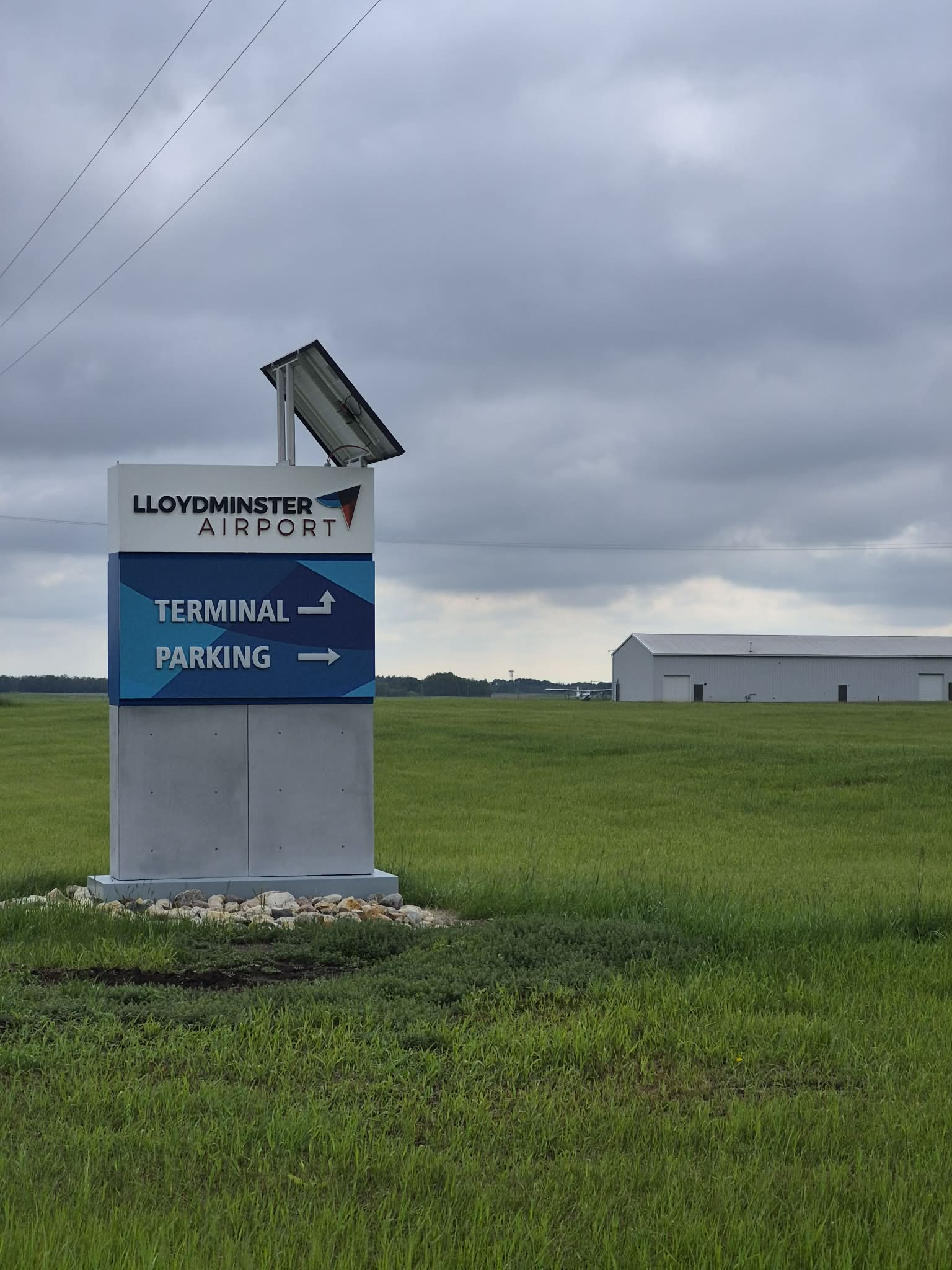
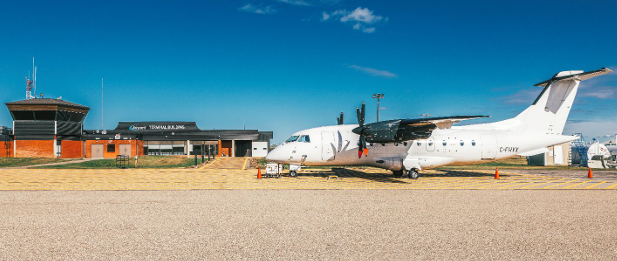
“If you asked me what first, it’d be the airport and we get air service back in the city,” said Aalbers. “That’s the number one priority for our potential economic growth, to continue to serve industry and business people, as well as those that want to grow, because it is a critical factor.”
He also floated hosting a joint Saskatchewan-Alberta water and wastewater association conference in Lloydminster, citing cost advantages over Edmonton or Saskatoon.
“The pieces are there,” said Aalbers. “It’s a matter of bringing all the players together.”
Limited public input shaped the draft
The plan’s consultation process also came up briefly. Ducherer said an online survey through the city’s Your Voice platform, open to the public since March 18, drew 23 completed responses representing every economic sector except transportation. She said the goal was targeted feedback from key stakeholders rather than a high response count, replacing one-on-one interviews used in the previous planning cycle.
The draft plan was before committee Monday for feedback, not approval. As an information item at GPC, council can direct administration to revise the plan, expand consultation, or address specific concerns before it proceeds to a future Regular Council meeting for a formal vote.
Read more: Vic Juba Community Theatre posts record year, eyes renovations
