



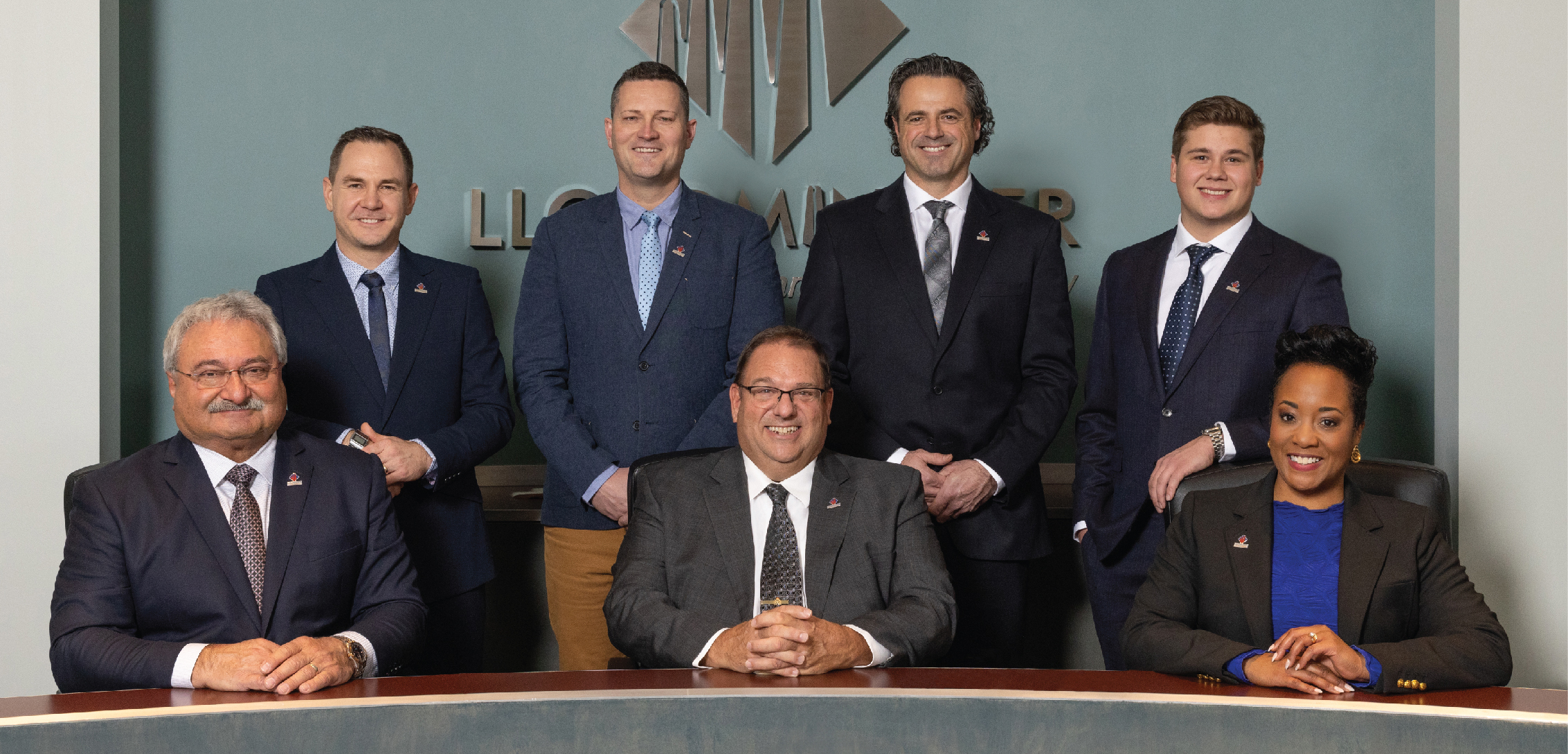
Lloydminster City Council - Courtesy City of Lloydminster
Lloydminster city council approved the carry forward of more than $35 million in operating and capital projects into the 2026 budget Monday during their Feb. 2 council meeting. The vote followed an extended discussion that reflected the questions many residents would ask when seeing a number that large.
Council’s focus was not on approving new spending, but on understanding whether delayed projects could lead to cost overruns, service impacts or future tax pressure.







The carry forward includes $272,000 in operating projects and $34.7 million in capital projects that were approved in previous budgets but not completed by the end of 2025.
“Are we in jeopardy of being over budget?”
Councillor Michele Charles Gustafson questioned whether supply chain delays and external factors could ultimately cost the city more.
“I was looking at the transportation services and it looks like the majority of them are either supply chain issue or external delay,” Charles Gustafson said.
“I’m just wondering if we are in jeopardy at any point of things being over-budgeted because of things out of our control. Are we in jeopardy of that? Do we have to come back for more money or is it just this is typical?”
Administration responded that most delayed equipment had already been tendered and priced, with final invoices not issued until delivery is complete.
“I haven’t heard there’s an issue with cost escalation or anything on that,” administration said.
“They’re obligated to provide that piece of equipment for the tender price. We’re not asking for more money. We just need to carry that money into the next year so that we can pay the invoice when the invoice is due.”
Councillor Justin Vance raised concerns about critical equipment and environmental obligations, starting with the city’s aerial fire truck.
“I was just wondering if we could get an update on our aerial fire truck and what the status is and when we’ll expect to get that back,” Vance said.
Administration confirmed the truck is already back in service, explaining the carry forward exists only because the invoice arrived after the 2025 cutoff.
“The reason that’s a carryover is the invoice didn’t get issued until just recently, so it didn’t make cut-off for 2025,” administration said.
Vance then asked about remediation work tied to the former city shop site near the exhibition grounds.
“So it was part of the sale agreement as we had to do our due diligence,” Vance said.
Administration confirmed the remediation commitment dates back to the 2018 sale and is nearing completion.
“My understanding is it is scheduled to be completed here in 2026 so that we can get that one off our books,” administration said.
“Are we under-resourced, or just working through timing?” asked Whiting.
Councillor Jason Whiting focused on projects marked as “under-resourced,” questioning whether delays reflected staffing problems or shifting priorities.
“The one that always comes up year after year is the under-resourced items,” Whiting said.
“I’m just trying to figure out whether we’re under-resourced and we need to fix that, or if it’s just something that we’re working through and it’ll come when it comes.”
He pointed to projects like the RCMP building renovation, sludge management and lift station work.
Administration explained to council that in many cases, internal teams were redirected to higher-priority or time-sensitive projects, including taking pool renovations in-house and meeting deadlines tied to major infrastructure openings.
“The main priority was we decided to move the renovations of the outdoor pool in-house,” administration said.
“We prioritized our resources there and then reallocated them to the RCMP later in the year.”
On sludge management and lift station work, administration emphasized that service impacts were not occurring.
“It was a project that was on our list, maybe not as high on the priority list as some of the others, so it got shifted,” administration said.
“We’ll take care of those both in 2026.”
Whiting said the answers eased his concerns.
“When I look through these, I don’t see anything that I put a severe red flag on,” he said.
Why the money moves forward
Administration told council that once large multi-year projects are removed, a typical carry forward year would be closer to $17.5 million.
Mayor Gerald Aalbers said much of the delay stems from factors outside the city’s control.
“I think the bulk of it is a lot of factors that are well outside the city’s control,” Aalbers said.
He pointed to external delays, multi-year construction timelines and changes in project scope as unavoidable realities of municipal infrastructure.
Aalbers also emphasized that the city does not pay for equipment until it is delivered and verified.
“If one street sweeper showed up that was inadequate, it went back,” he said.
“We didn’t pay for it. It’s going to remain on the books, but it will have to be paid for. We don’t pay for things until we receive them.”
Motion carries unanimously
Council ultimately approved the operating and capital carry forward, authorizing administration to adjust amounts only if required by year-end audit results.
The motion passed unanimously.
Read more: Lloydminster left off Regional advisory council