



If it’s only about a referendum vote on Oct. 19 then why does the wording of the question that makes the ballet mean so much. There may be some science behind it.
In Romeo and Juliet Shakespeare asked what’s in a name. In Alberta in 2026, the better question is what’s in a question, and whether the answer is already decided before anyone marks a ballot.
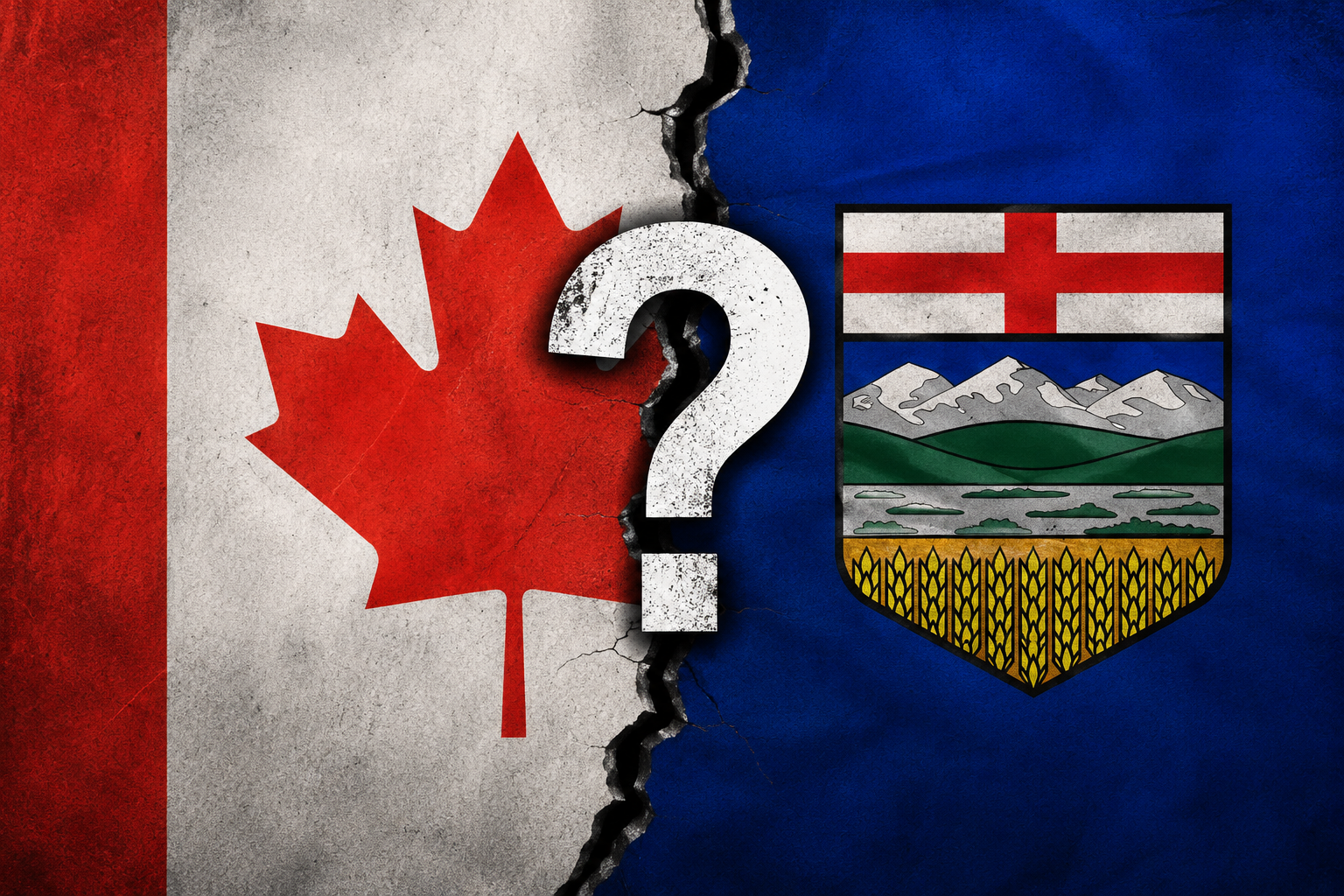
Here is what we know. Stay Free Alberta collected more than 300,000 signatures calling for a referendum on independence. An Alberta Court of King’s Bench justice threw out Elections Alberta’s approval of that petition. The reason? The province never consulted four First Nations whose treaty rights separation would directly violate.
What we also know is that this is not the first time the question was ruled unconstitutional. When Stay Free Alberta first applied last summer, a judge ruled the question illegal. The legislature passed a new law days later to make the process easier. The group reapplied. The petition went ahead anyway.
The court ruled. The government changed the rules. The petition continued.
Now Premier Danielle Smith calls the latest ruling “anti-democratic” and promises an appeal. The separatist movement calls it incomprehensible. Chief Samuel Crowfoot of the Siksika Nation calls it something else entirely – a reminder that treaties are living agreements, not old paperwork.
Lost in all the noise is a quieter fact. The Forever Canadian petition has already been verified. Former Alberta deputy premier Thomas Lukaszuk led that effort. It asks that Alberta remain part of Canada. It collected more than 400,000 signatures. It is legally cleared and could go on the Oct. 19 ballot today.
So why does the wording of the question matter so much?
Because wording is never neutral. Researchers call it acquiescence bias. Studies show people are far more likely to say yes to a question when it is written in simple, familiar, emotionally positive language. The effect is one of the most proven findings in social science.
A University of Florida study tested this directly. When voters knew little about a ballot question, they made their decision based on how the question made them feel. Plain language made them feel comfortable. Comfortable voters said yes. Confusing language made them feel uncertain. Uncertain voters said no or skipped the question entirely.
Brexit showed the same thing. In 1975, the United Kingdom asked voters whether the country should “stay” in the European Community. More than 67 per cent said yes. In 2016, the same basic question used the words “remain” or “leave” instead. The result was nearly split down the middle. Same country. Same issue. Different words. Completely different outcome.
That is what the fight over the Stay Free Alberta question is really about. Not democracy. Not the will of 300,000 Albertans. The question itself is the most important part.
Here is what those same 300,000 signatories should think about. The Forever Canadian framing is already approved, already verified, and already legal. If leaving Canada is truly the goal, a clear and fair question should be no threat. The answer should not change just because the wording does.
Unless, of course, it does.
Read more: Opinion: Just do the bloody census