




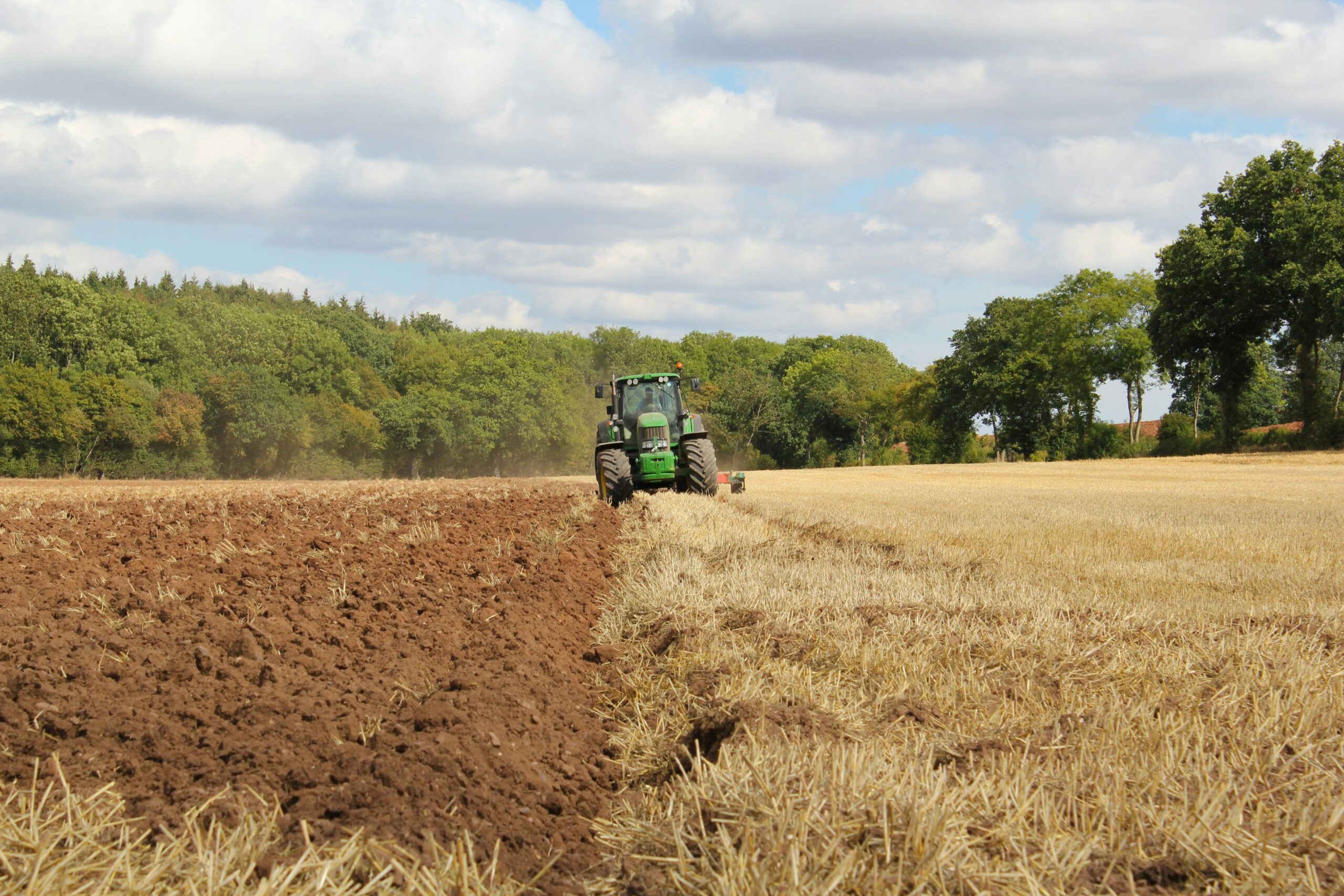
Spring seeding is gaining momentum across Saskatchewan, though producers near Lloydminster are still playing catch-up.
The latest provincial crop report shows 16 per cent of the 2026 crop is now in the ground as of May 11 – up 13 per cent from last week. But that still falls short of the five-year average of 28 per cent and the 10-year average of 27 per cent.
Receding runoff and limited precipitation over the past week gave producers the window they needed to get equipment moving.




The southwest region leads the province at 34 per cent complete. The southeast sits at 24 per cent, while west-central producers have reached 13 per cent. For border-region farmers, the picture is tighter – east-central Saskatchewan is at 8 per cent, the northwest at 6 per cent, and the northeast at just 1 per cent.
Pulse crops are leading the charge. Field peas are 33 per cent seeded and lentils are at 32 per cent, with chickpeas at 19 per cent. On the cereal side, durum is the furthest ahead at 29 per cent, followed by triticale at 23 per cent. Spring wheat and barley are both at 14 per cent, with oats at just 3 per cent.
Oilseed seeding is getting started. Mustard is at 9 per cent, with canola and flax each at 7 per cent. Perennial forages are 10 per cent seeded.
While last week’s concern was too much water, the conversation is changing. Dry and windy conditions are drawing down surplus soil moisture faster than expected.
Cropland topsoil moisture is currently 13 per cent surplus, 70 per cent adequate, 16 per cent short and 1 per cent very short. Hayland and pasture conditions are showing greater stress – 21 per cent of hayland and 29 per cent of pastureland are reporting short moisture.
Livestock water supplies remain stable for now. About 75 per cent of producers say on-farm surface water is adequate, with no severe shortages reported.
The ministry is reminding motorists to watch for farm equipment on highways and gravel roads as seeding season intensifies.
Producers dealing with stress are encouraged to reach out to the Farm Stress Line at 1-800-667-4442. The service is free, confidential and available around the clock, with support from mental health professionals who understand the pressures of farming.
Read more: Sask. farmers wait as spring seeding falls behind