



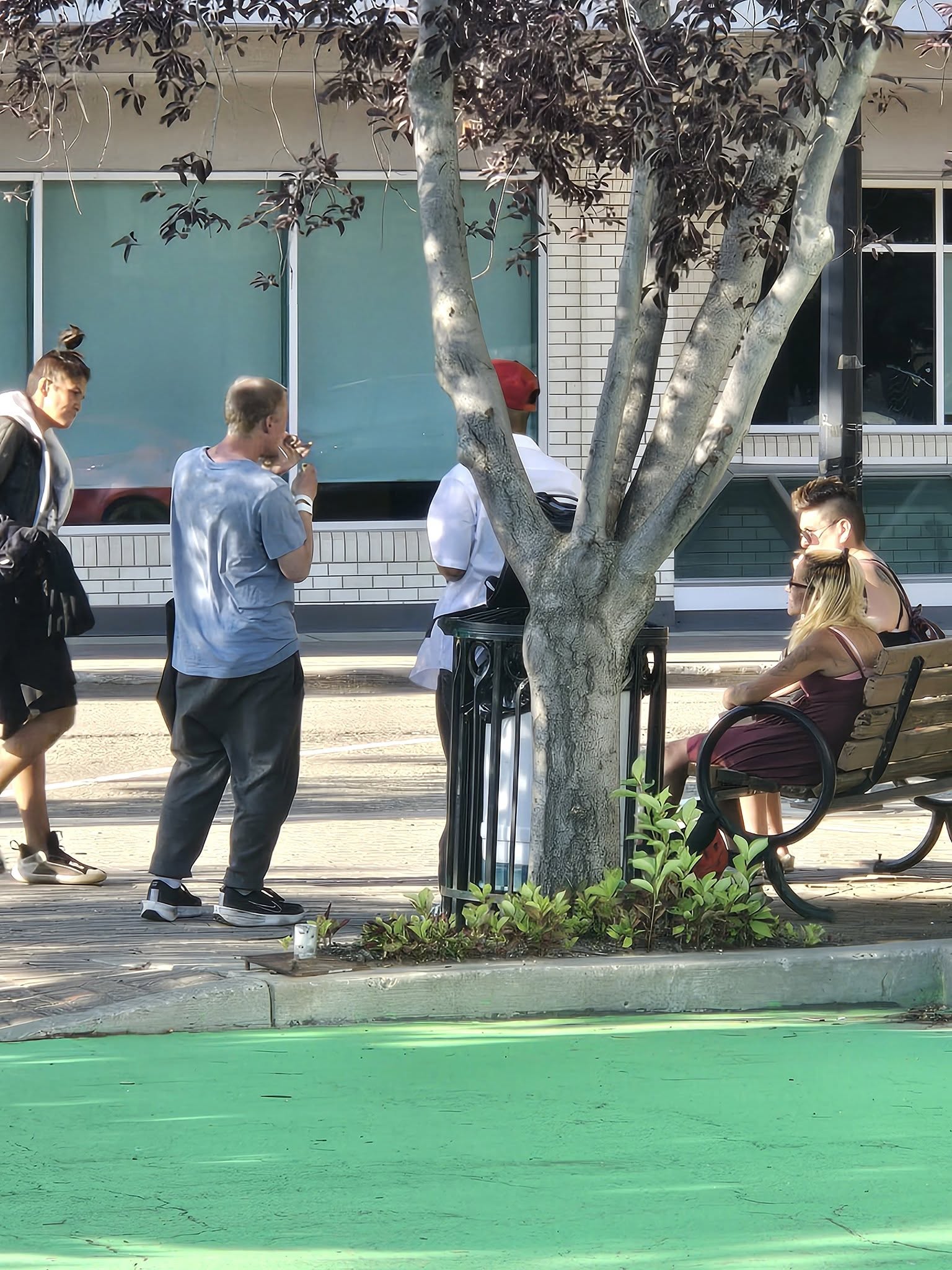
When Lloydminster RCMP says officers can only act within the authority the law gives them, that’s not just a talking point. Canadian law on public drug use is narrower than most people assume.
Possession of a controlled substance is illegal under section 4 of the federal Controlled Drugs and Substances Act. That covers fentanyl, methamphetamine, cocaine and heroin.
But there is no separate criminal offence for using an illegal drug in public. The offence is possession, not the act of consuming it. If an officer sees someone using drugs on a sidewalk, the underlying possession is illegal. What happens after that is a separate question.






Ottawa has told prosecutors to hold back
Since August 2020, federal prosecutors have been directed to avoid charging simple possession except in the most serious cases. The Public Prosecution Service of Canada’s guideline says prosecution should generally be “reserved for the most serious manifestations of the offence.”
The directive lists what still crosses that line, including conduct connected to trafficking or another Criminal Code offence, conduct inside a jail or custodial setting, or conduct involving a peace officer acting in their duties.
Parliament went further in 2022. Amendments to the CDSA under Bill C-5 added a declaration of principles stating that “problematic substance use should be addressed primarily as a health and social issue.” The same amendments direct police and prosecutors to consider warnings, referrals or no action at all before laying a simple possession charge.
A newer tool on the Saskatchewan side
Saskatchewan’s Safe Public Spaces (Street Weapons) Act came into force Aug. 1, 2025. It lets police, including RCMP, seize items including fentanyl, methamphetamine and hypodermic needles from public spaces, whether or not a charge follows, but only in municipalities that have opted in.
Opting in requires a municipality to pass its own bylaw. Saskatoon, for example, passed Bylaw No. 10107 on Aug. 27, 2025, formally opting the city into the act.
A search of the City of Lloydminster’s public bylaw listing turned up no bylaw referencing our opting in. BorderPulse reached out to the City of Lloydminster for comment on whether it has opted into the act. The city is currently working on a response.
Enforcement may stop at the provincial line
Even if Lloydminster does opt in, officials close to the situation say the act would likely only be enforceable on the Saskatchewan side of the city. Saskatchewan’s Safe Public Spaces (Street Weapons) Act is provincial legislation, so any enforcement power it grants would extend only within Saskatchewan’s own boundaries.
It’s a similar situation to Lloydminster’s traffic laws, which already differ depending on which side of the border a person is standing on, requiring RCMP to treat individuals differently.
Seized drugs don’t have to be handed back
Under the CDSA, someone whose drugs are seized can apply to a judge within 60 days to get them returned, but only if they can show they were lawfully entitled to possess them. Illicit street drugs don’t meet that bar. If nobody applies, or the application fails, the drugs are forfeited to the Crown and can be destroyed.
That gives police a tool even in cases where a possession charge isn’t realistic: the drugs themselves don’t go back to the person they were taken from.
What it means locally
S/Sgt. Bruce MacLean of the Lloydminster RCMP detachment said this week that police can only act within the authority granted to them by law, while using every tool available within that authority. Federal prosecution policy, the CDSA itself and Saskatchewan’s newer provincial tools go a long way toward explaining what that actually looks like in practice, and whether Lloydminster has access to the newest of those tools is still an open question.
There are other tools available to enforcement officials in some cases, this story only highlights some of the tools available and restrictions in using them facing everyday officers.
Read more: RCMP responds to downtown safety concerns