



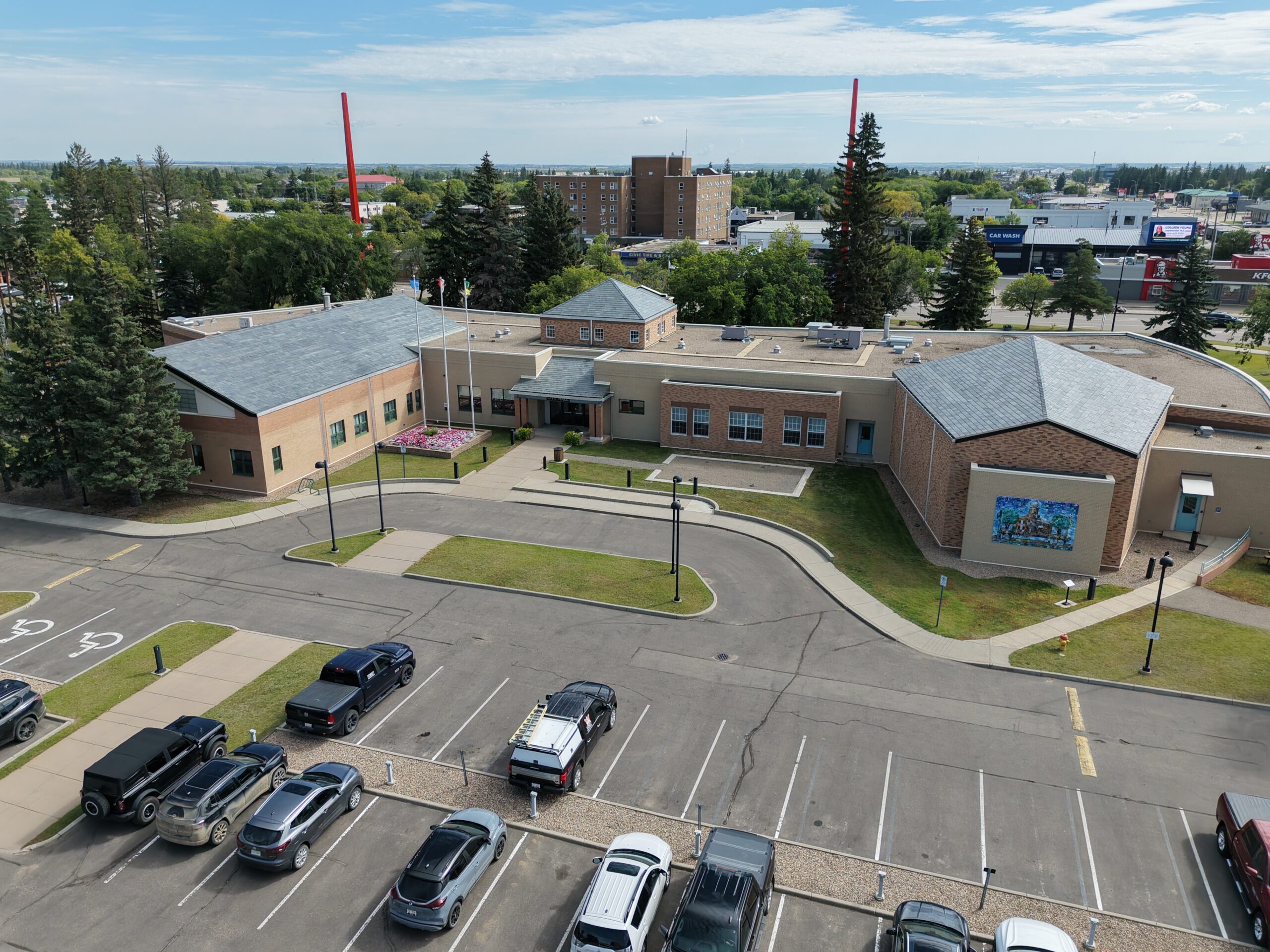
The City of Lloydminster‘s press release announcing its 2026 Accessibility Plan describes a clean, ongoing commitment to inclusion. The council meeting that produced the plan told a more complicated story.
Four questions raised by councillors Monday exposed gaps the release does not mention.
The plan carries no legal weight
Coun. Jason Whiting asked administration to clarify what the province’s Accessible Saskatchewan Act actually requires.




“If it is only a plan and having it in a charter is a yay or nay, it’s not a big deal, but it’s good to know that it’s there,” said Whiting.
A city administration member confirmed the act is not written into the Lloydminster Charter.
“We’ve adopted it in good faith across the organization, but it’s not included in the charter,” said the administration member. “And so it wouldn’t currently apply to the whole city.”
Director of Communications Leo Paré described the document as something imposed from outside rather than a locally driven mandate.
“It’s a plan that’s being put onto us,” said Paré.
Enforcement is reactive, not routine
Coun. Michael Diachuk pressed administration on accessible parking violations he has personally witnessed at local businesses.
“We can do all these wonderful things and yet to what extent it appears on the radar for our bylaw folks to enforce that piece, because they have mobility challenges and can’t walk from the other side of the parking lot,” said Diachuk.
Administration confirmed bylaw officers do not actively patrol for the violation.
“It’s not something we would actively go out and monitor on a regular basis, but when our CPOs are travelling around the community and they see potential infractions, they do enforce those,” said the administration member.
Diachuk compared the gap to an unenforced traffic law.
“It’s no different than putting a speed limit,” said Diachuk. “If the speed limit isn’t enforced, then it means nothing.”
He asked whether any tickets had actually been issued for the infraction and answered his own question before administration could respond.
“I know they haven’t, so I’ll just leave it at that,” said Diachuk.
A known gap, admitted on the record
Coun. Justin Vance told council he has received resident emails during winter months about snow clearing on trails and sidewalks affecting people with mobility issues. He asked whether that should be part of the plan.
Paré confirmed it currently is not.
“Probably just one that wasn’t considered in this first go-around, but happy to make that a category going forward,” said Paré.
No dedicated budget line
Coun. Michele Charles Gustafson asked how the plan’s identified opportunities will actually get funded, and whether they will be built into departmental budgets.
Administration said there is no standalone accessibility budget. Improvements happen only when they overlap with a project a department is already doing.
“We approached the plan in a way that we didn’t want to mandate that the city have to go out there and do a bunch of stuff just independently,” said the administration member. “We wanted to have it built in a way that it could be incorporated into the bigger plan.”
Charles Gustafson pushed back, arguing the plan needs to actively shape those decisions rather than passively ride along with them.
“You’re looking through this lens to the master plan and go, okay, if we’re going to be making some actions and spending some money, these things should be considered too,” said Charles Gustafson.
One detail the release also left out, in the city’s favour
The facility audit behind the plan was fully funded by a provincial SUMA grant. The city had budgeted 68,000 dollars of its own money for the work and never had to spend it.
The 2026 Accessibility Plan is posted at Lloydminster.ca/AccessibilityPlan.
Read more: Council reviews conduct policy, rezoning Monday